The Last Animals Foundation

Mission

The Last Animals Foundation, a 501(c)(3) nonprofit, raises awareness about wildlife trafficking and the collapse of biodiversity to protect animals from extinction and create a more sustainable planet. We support frontline park rangers who are the guardians of critically important populations of animals in under-resourced ecosystems, and we focus on on-the-ground conservation in places that have been plagued by conflict and insecurity. Whether disasters are natural or man-made, animals and their guardians need to be protected. We also believe in supporting storytellers and artists who bring the challenges of animals, ecosystems and rangers to the forefront.

Campaigns

When animals and the people protecting them face an emergency, we raise funds on GoFundMe: for our own rescue work, and for Animals Lebanon, the charity we fiscally sponsor. Donations are tax-deductible in the United States.

Active campaigns

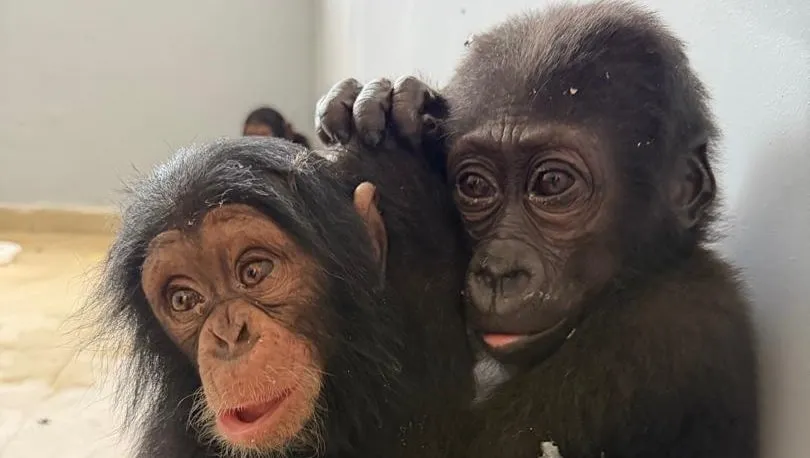
An infant gorilla resting its hand on the head of a young chimpanzee

Nigeria · September 2026

Saved From Traffickers: Help Them Return to the Wild

In August 2026, officers of the Nigeria Customs Service intercepted a wildlife trafficking operation and seized 48 live animals, among them four young chimpanzees and two infant gorillas, only weeks after rescuing two lion cubs bound for Congo-Brazzaville. Together with Focused Conservation and Aspinall Wildlife Trust, we are funding the emergency veterinary care, specialized nutrition, quarantine and facilities these animals need to recover, and one day return to the wild.

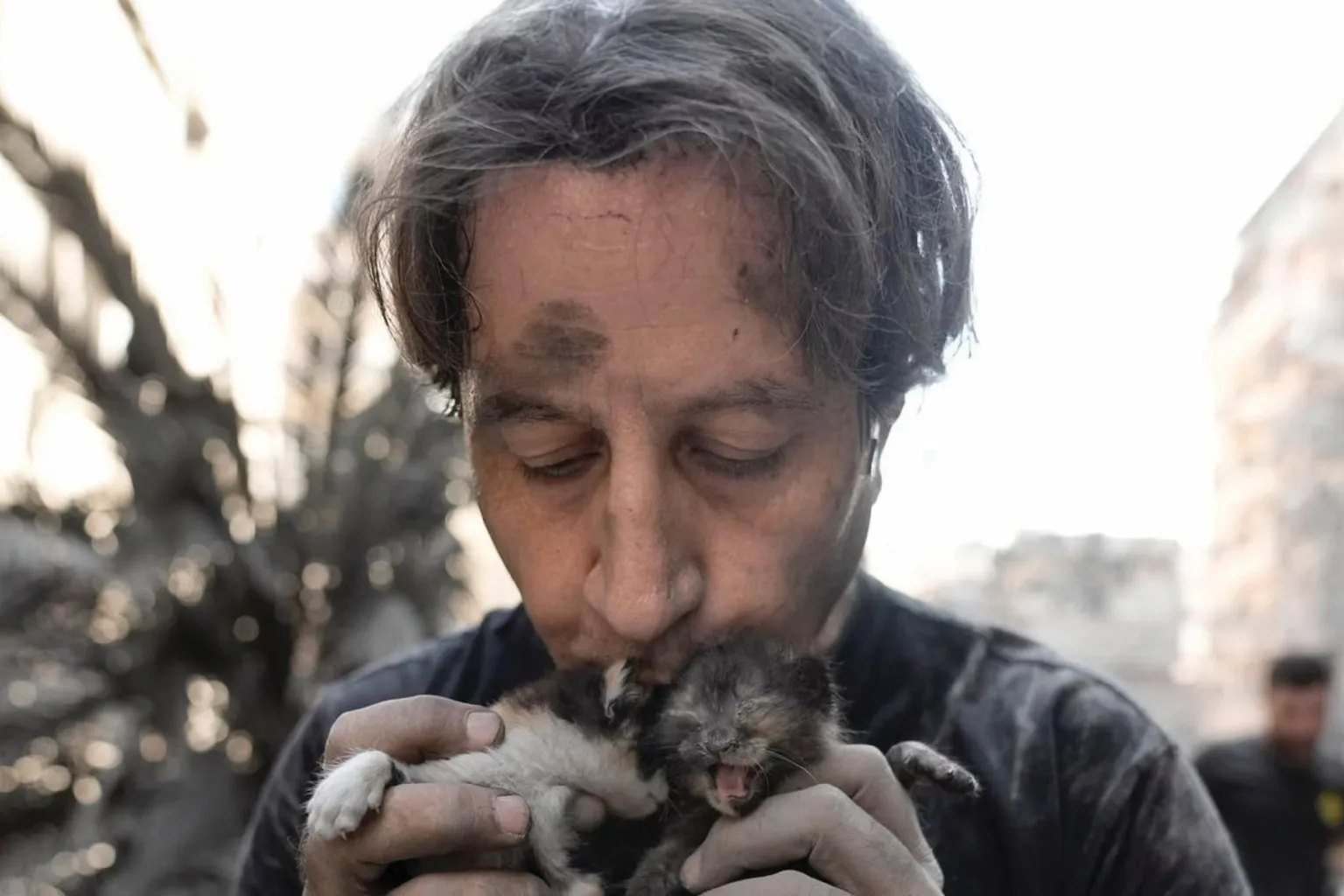
An Animals Lebanon rescuer, his face streaked with dust, kissing a newborn kitten he is holding

Lebanon · March 2026

War Is Back – Animals Lebanon Emergency Appeal

When heavy bombing returned to Lebanon in March 2026, tens of thousands of people were displaced and many had to flee without their pets. Animals Lebanon is rescuing animals trapped in empty homes, treating the injured and feeding the strays left behind. This appeal funds its emergency veterinary care, rescue missions, transport, food, cages and medicine, and support for families fleeing with their pets.

Past campaigns

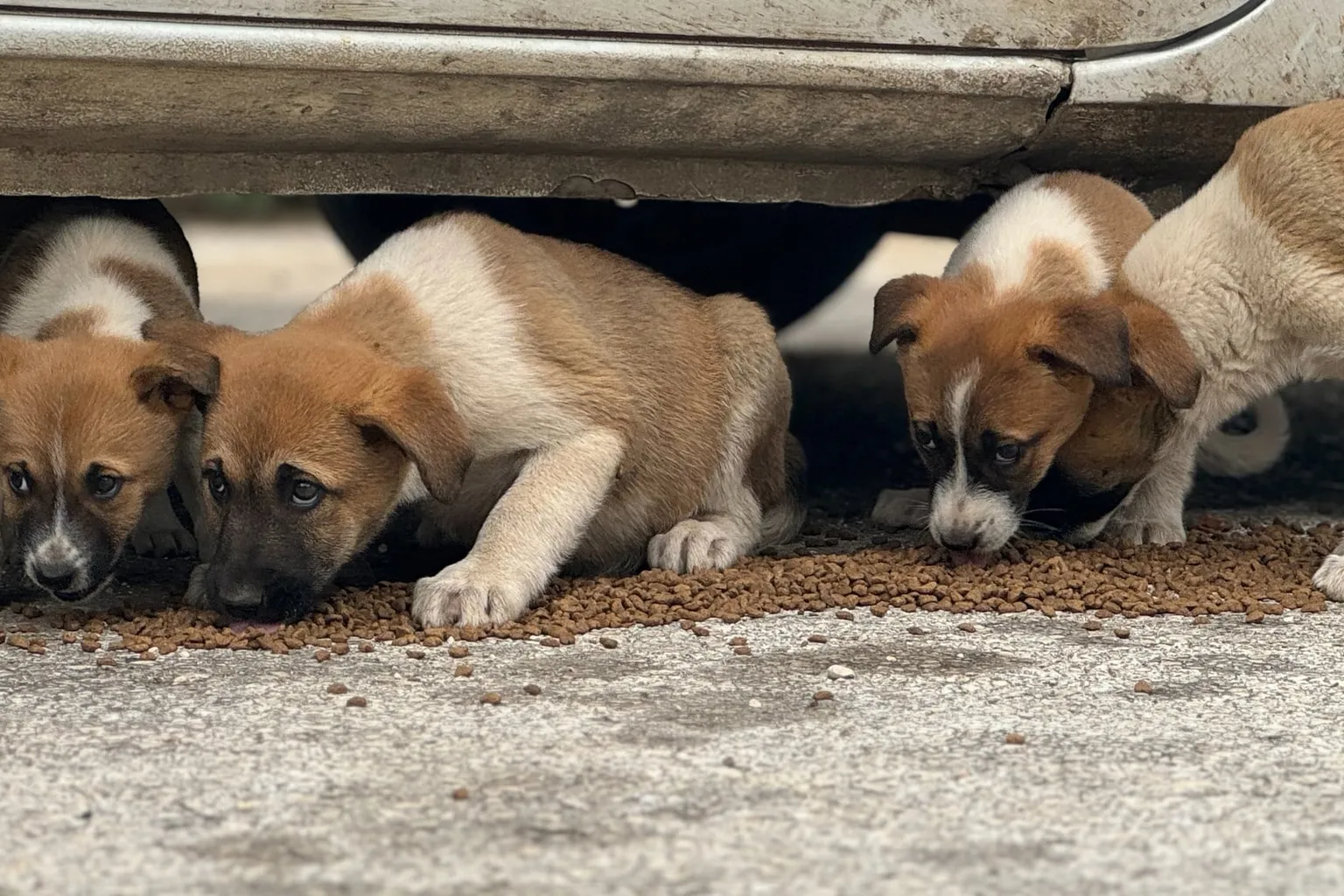
Three puppies eating kibble scattered on the ground beneath a parked car

Lebanon · July 2024

Animals Lebanon Emergency Appeal

After ten months of war along the border, Animals Lebanon had helped hundreds of people leave the country with their pets and was still feeding the dogs and cats left behind in abandoned villages. With embassies urging their citizens to leave and airlines cutting flights, this appeal stocked three months of food, medication and supplies, most of them imported and in short supply.

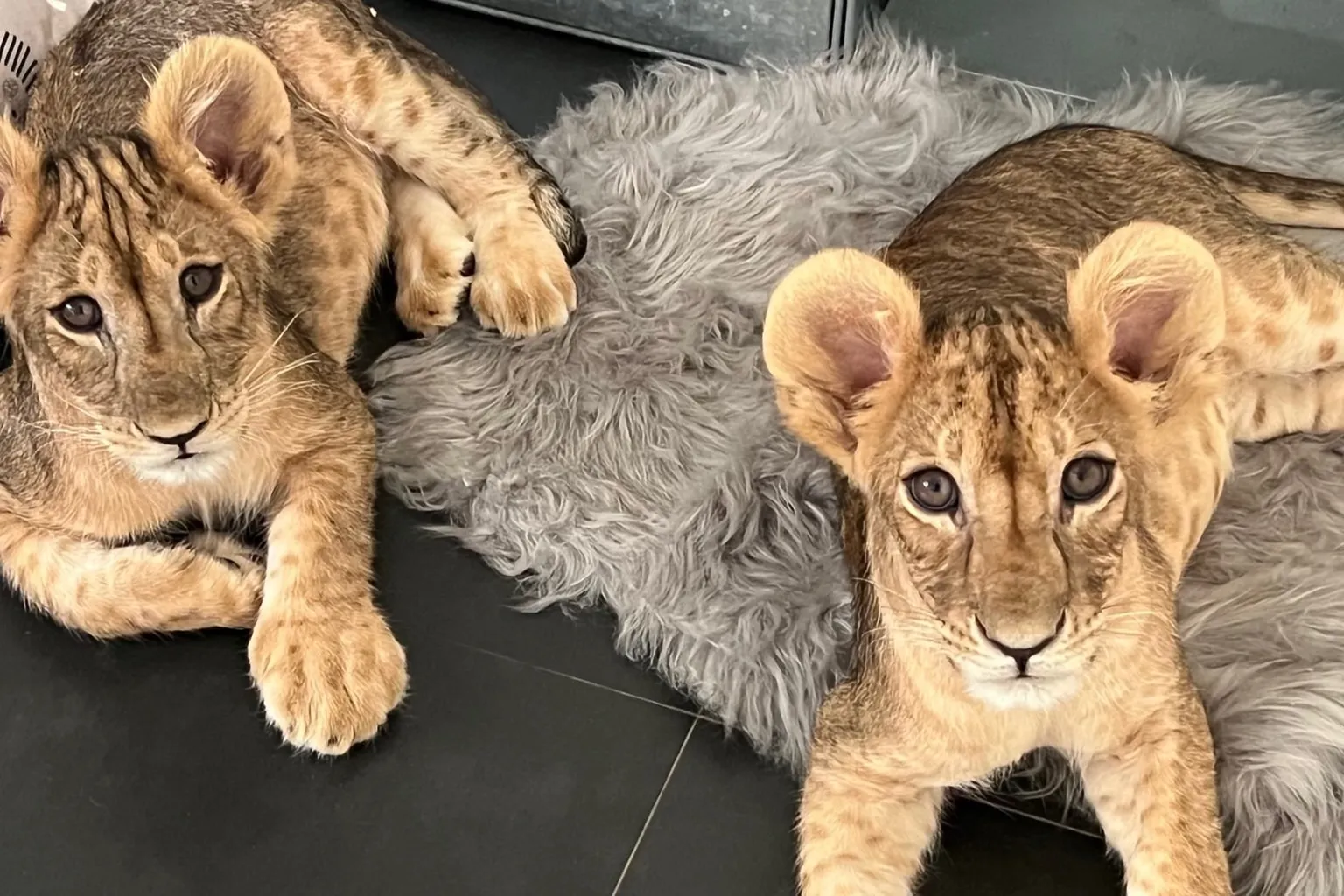
Two lion cubs lying on a dark tiled floor and a grey sheepskin rug, looking at the camera

Lebanon · November 2023

Help Save 2 Baby Lions Rescued by Animals Lebanon

Issam and Kelly were under three months old when Lebanese police found them hidden in cat crates in the back of a van, alongside more than 1,500 birds. Animals Lebanon quarantined, vaccinated and microchipped the cubs, and this appeal paid for the transport crate, veterinary paperwork and the flight from Beirut to Drakenstein Lion Park in South Africa, where they arrived that November and have a home for life.

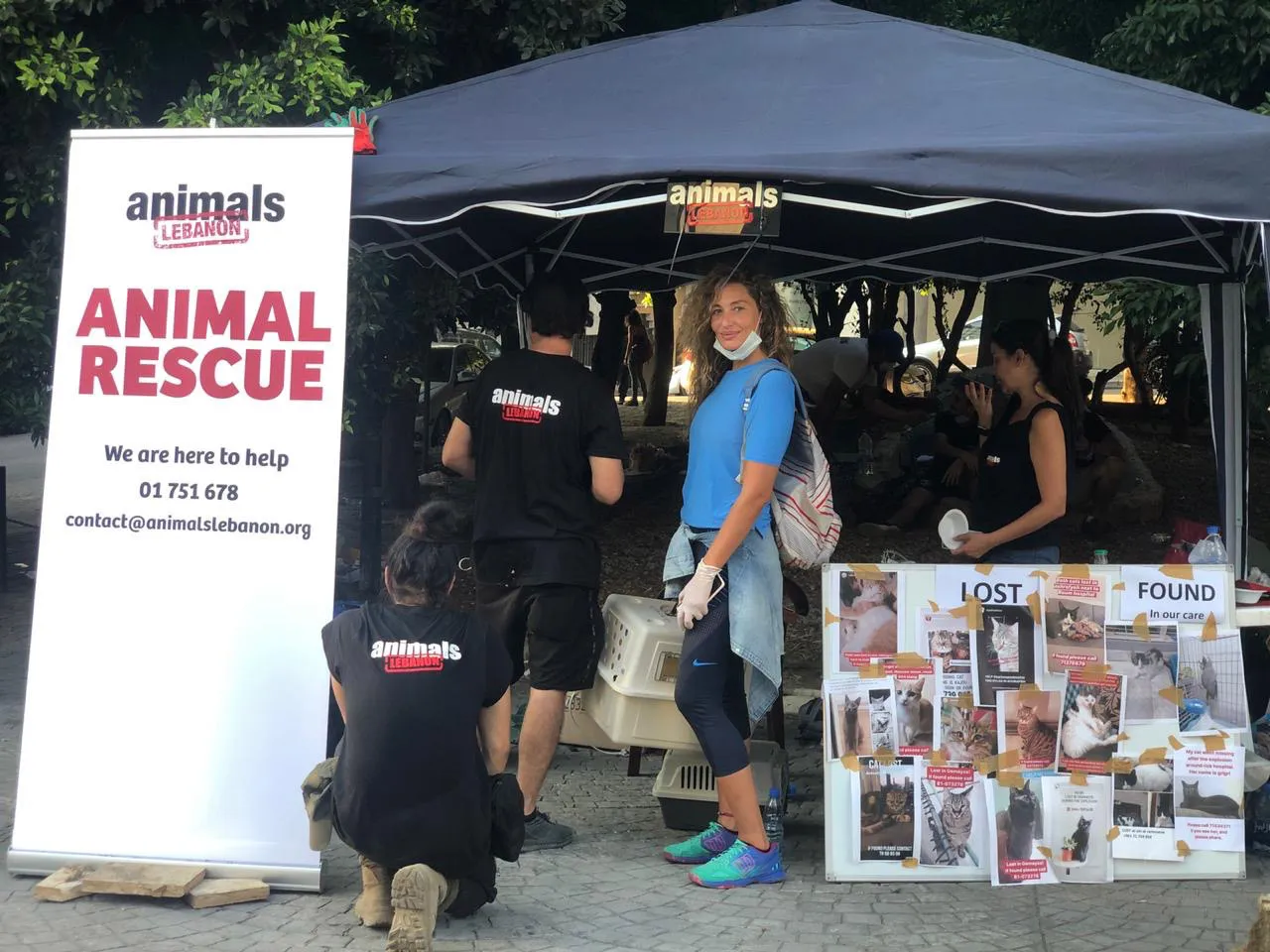
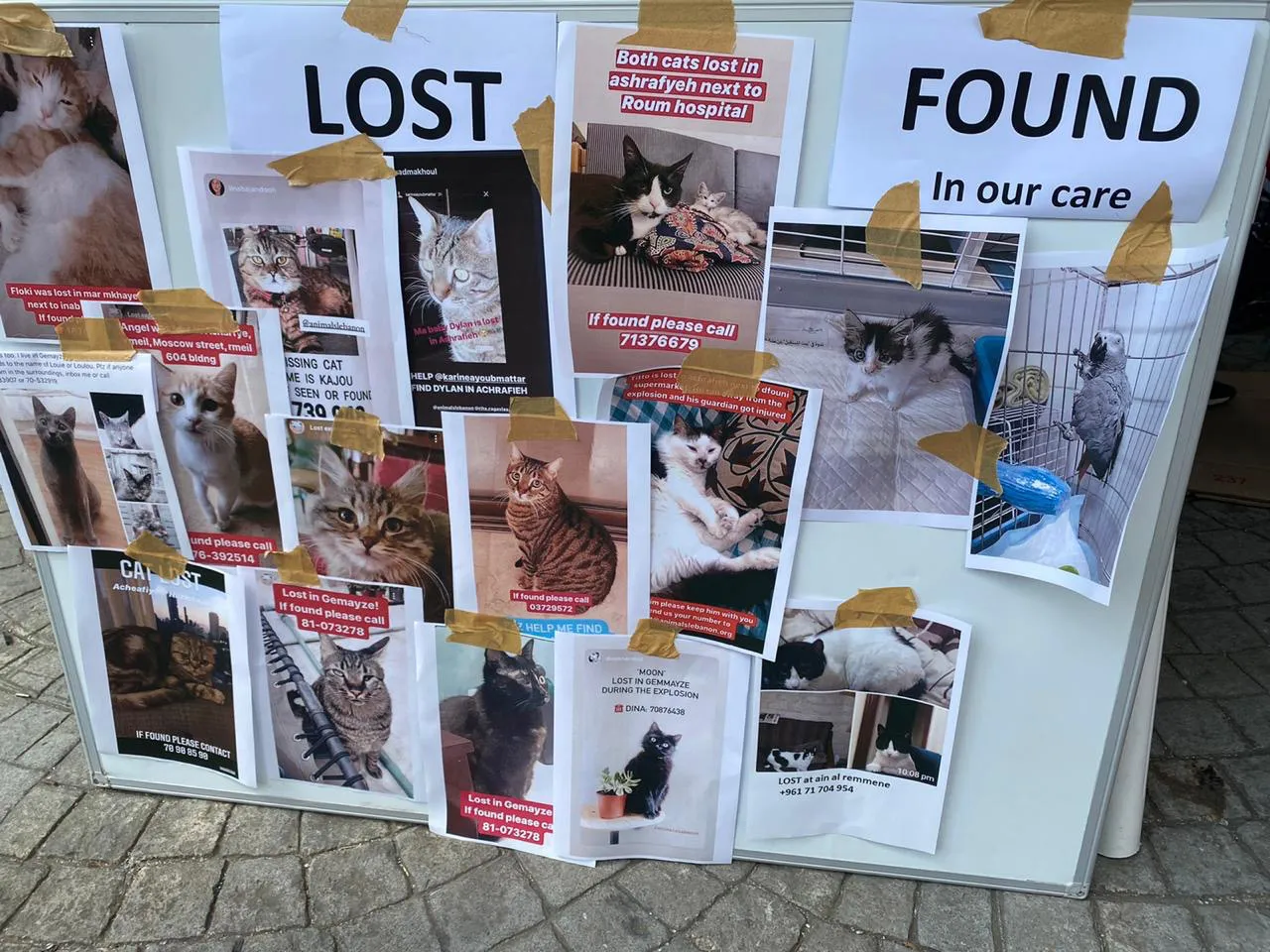
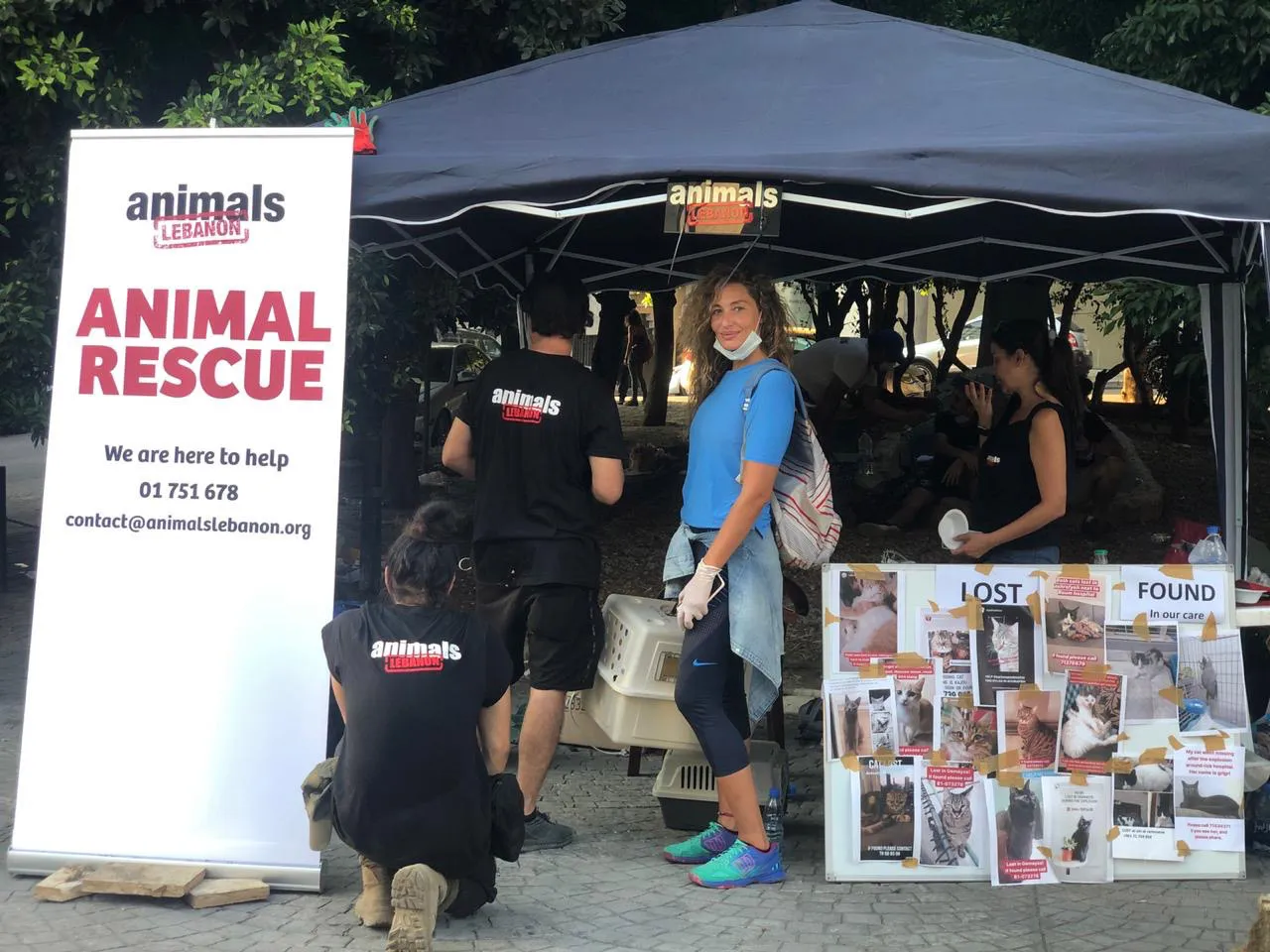
Animals Lebanon rescue tent with volunteers and lost-and-found posters

Beirut · August 2020

Animals Lebanon Emergency Fund

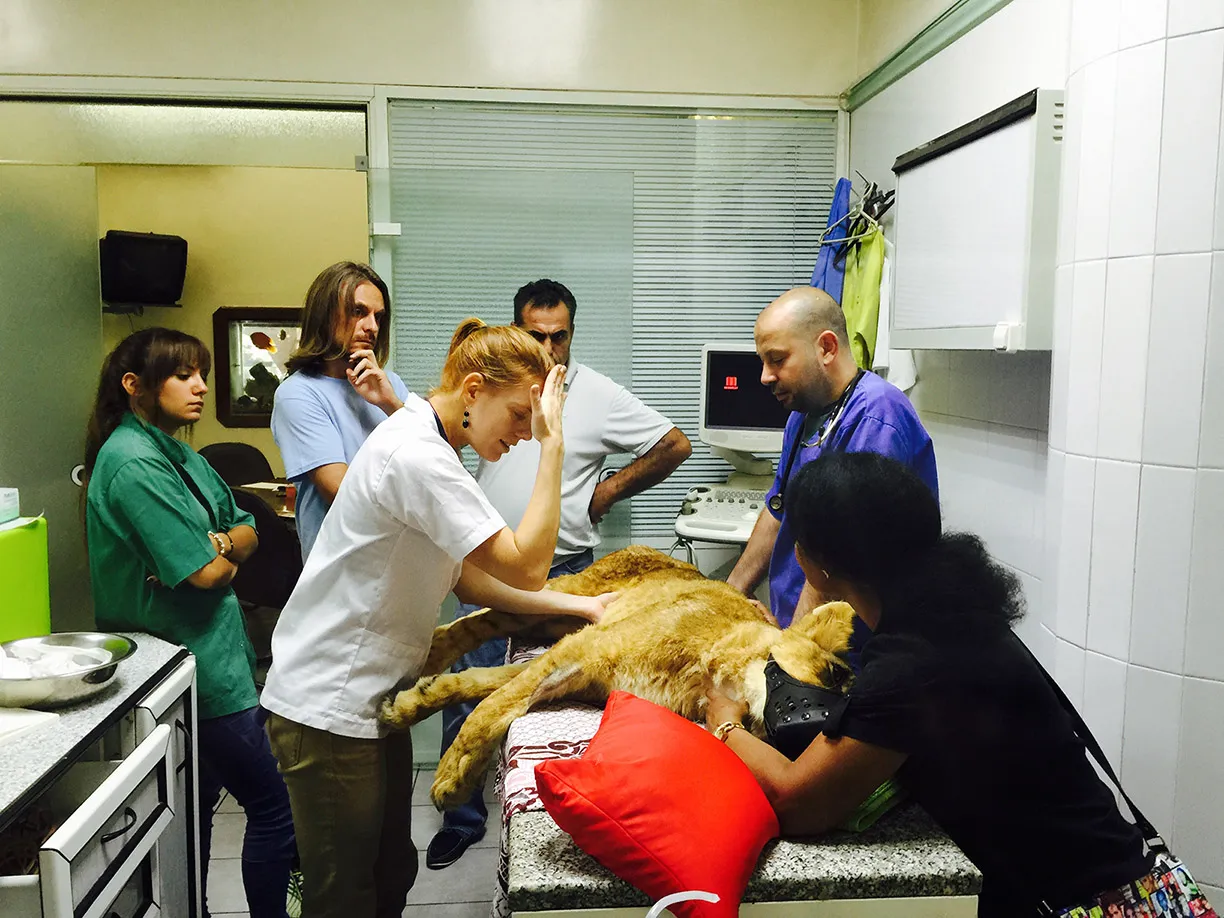
Within two hours of the Beirut port explosion, Animals Lebanon's staff and hundreds of volunteers were rescuing animals trapped in rubble, coordinating veterinary care and reuniting pets with their families. Launched a week later, this fund kept the organization running through the crisis while it also cared for the trafficked animals in its custody, among them a hyena, a lion, bears and baboons.

Projects

Animals Lebanon

The Last Animals Foundation helped raise funds for our fiscally sponsored charity, Animals Lebanon, after the Beirut port blast in August 2020. Within a couple of hours of the blast, Animals Lebanon's dedicated staff and hundreds of volunteers were working around the clock to rescue animals trapped in rubble, provide emergency veterinary care, reunite people with their beloved animals and care for animals whose guardians had passed away or been hospitalized. Hundreds of animals were also placed in forever homes abroad. Throughout the crisis, the organization continued caring for rescued animals that had been trafficked or inhumanely treated, always transporting them to specialized, species-specific sanctuaries.

Animals Lebanon was started by a group of young, passionate and determined people who wanted to make Lebanon a better place for animals. They believed that improving animal welfare is a necessary and admirable goal in itself, and that when the welfare of animals improves, great things can happen for the country. Animals Lebanon is the only animal welfare group working in Lebanon, and it is now the most recognized animal welfare organization in the Middle East. The organization has received awards for the breadth and impact of its work: joining international conventions, fighting the trafficking of endangered species, closing zoos and circuses, rescuing thousands of animals and responding to tens of thousands of requests for help every year. The group also drafted the Animal Protection and Welfare Law, which came into full force in 2017 and protects all animals now and for years to come. Since the blast, the foundation has run four emergency appeals for Animals Lebanon, listed under Campaigns.


FKL/Leuser Conservation Forum

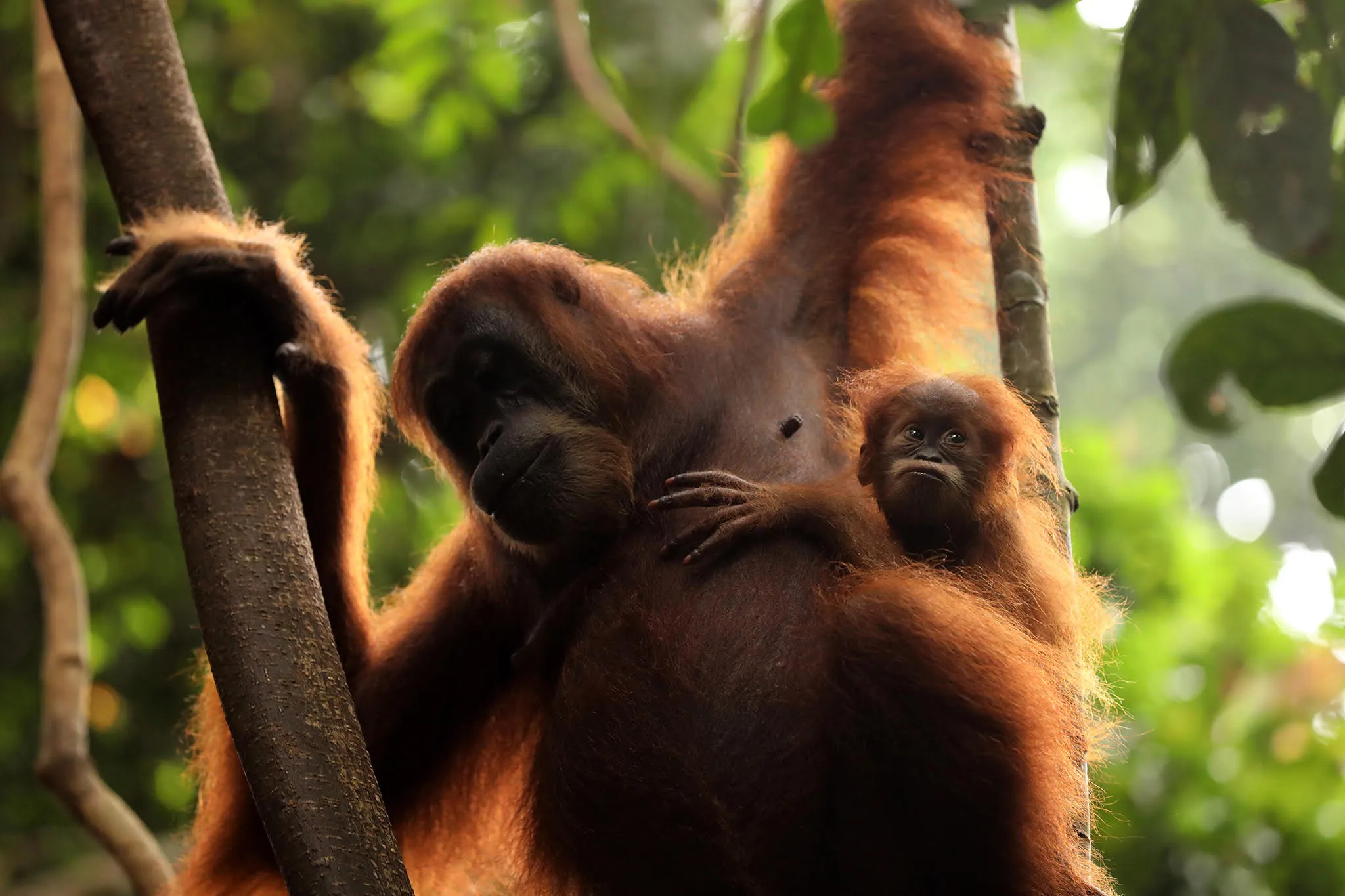
The Leuser Ecosystem is the only place on Earth where elephants, rhinos, tigers and orangutans coexist.

FKL deploys 30 Wildlife Protection Teams across the Leuser Ecosystem. Each team patrols the forest for 15 days a month, finding and dismantling poachers' snares and camps and recording the presence of rhinos and other wildlife. The rangers' data then goes into a SMART (Spatial Monitoring and Reporting Tool) database. A grant from The Last Animals Foundation enabled FKL to buy new equipment, including GPS units, backpacks, power banks, satellite phones and waterproof cameras. The equipment helps FKL's ranger teams protect and conserve the Leuser Ecosystem and its wildlife, and produce consistent, high-quality data for SMART.


Gillie & Marc: Love the Last March

Internationally renowned public artists Gillie and Marc are on a mission to save the world's most endangered species from extinction. Through their global project Love The Last, they share these animals' stories with people all around the world, raising awareness and funds to change their fate before it's too late. Their work has started a movement to raise the profile of conservation and inspire action.

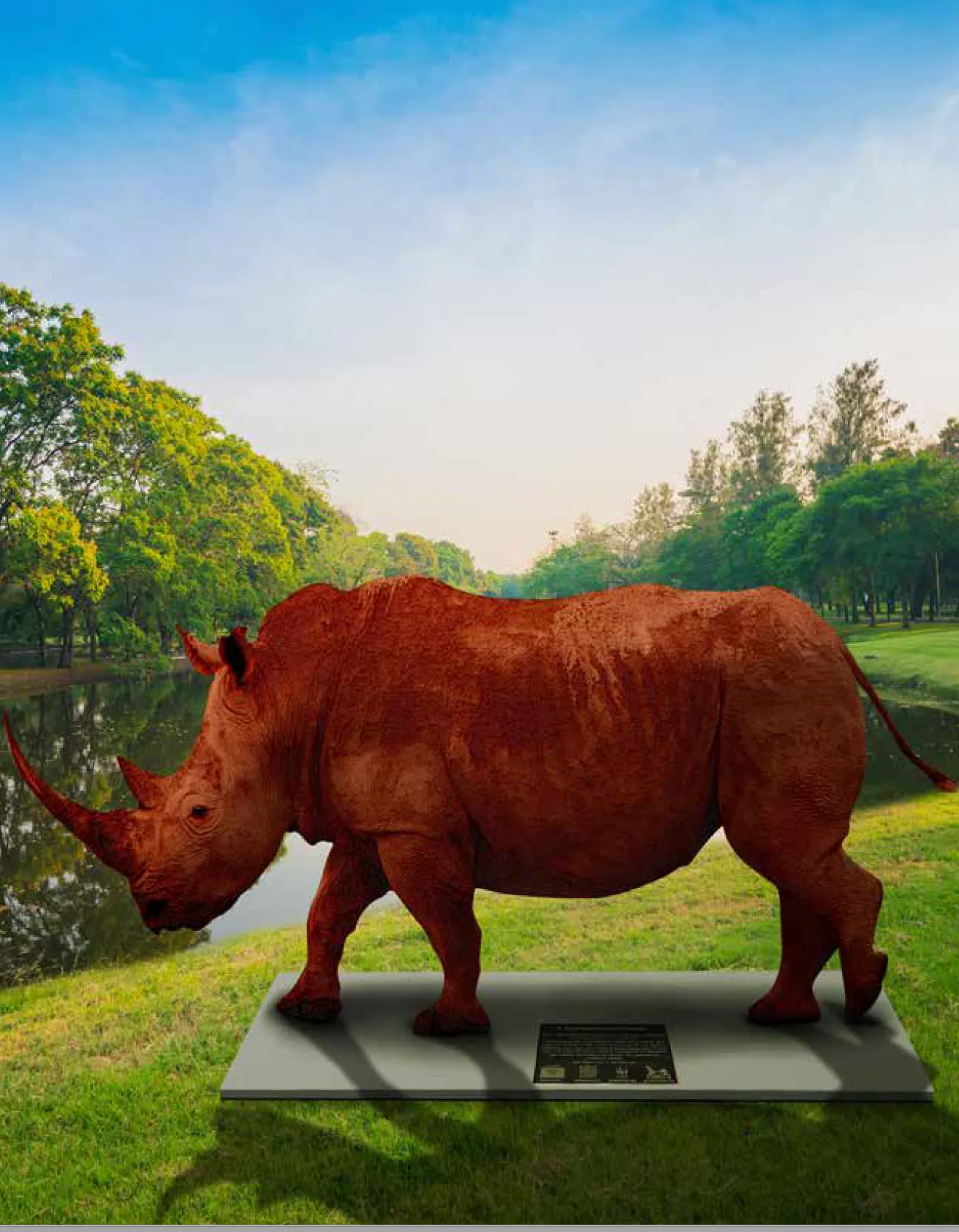
Love the Last March brought 45 of the world's most endangered species together in a record-breaking 192-meter bronze sculpture, exhibited at Gardens by the Bay in Singapore from May 2023 to May 2024. The Last Animals Foundation sponsored the statue of Fatu, one of the last two Northern White rhinos in the world.


Foodbank – Save Elephant Foundation and Trunks Up

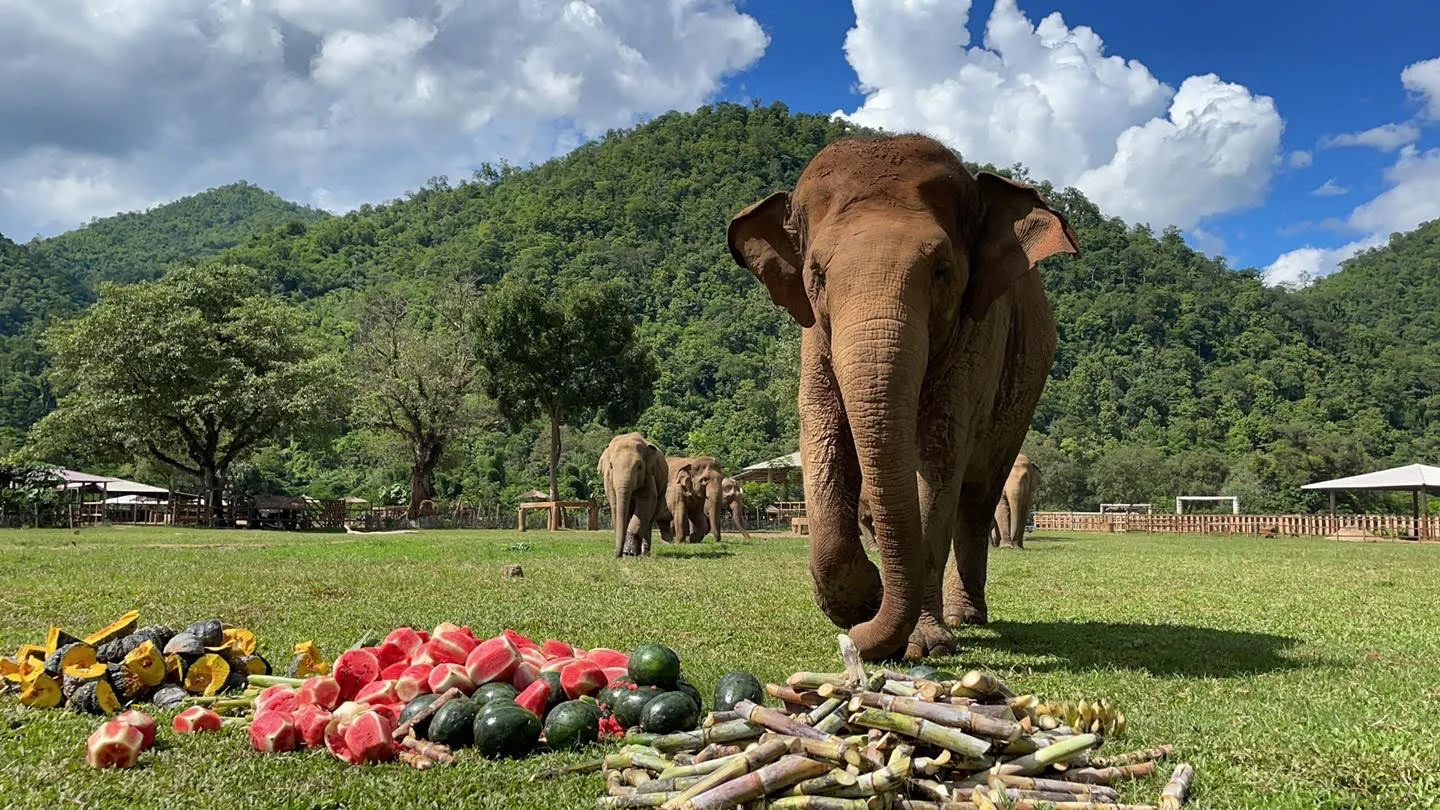
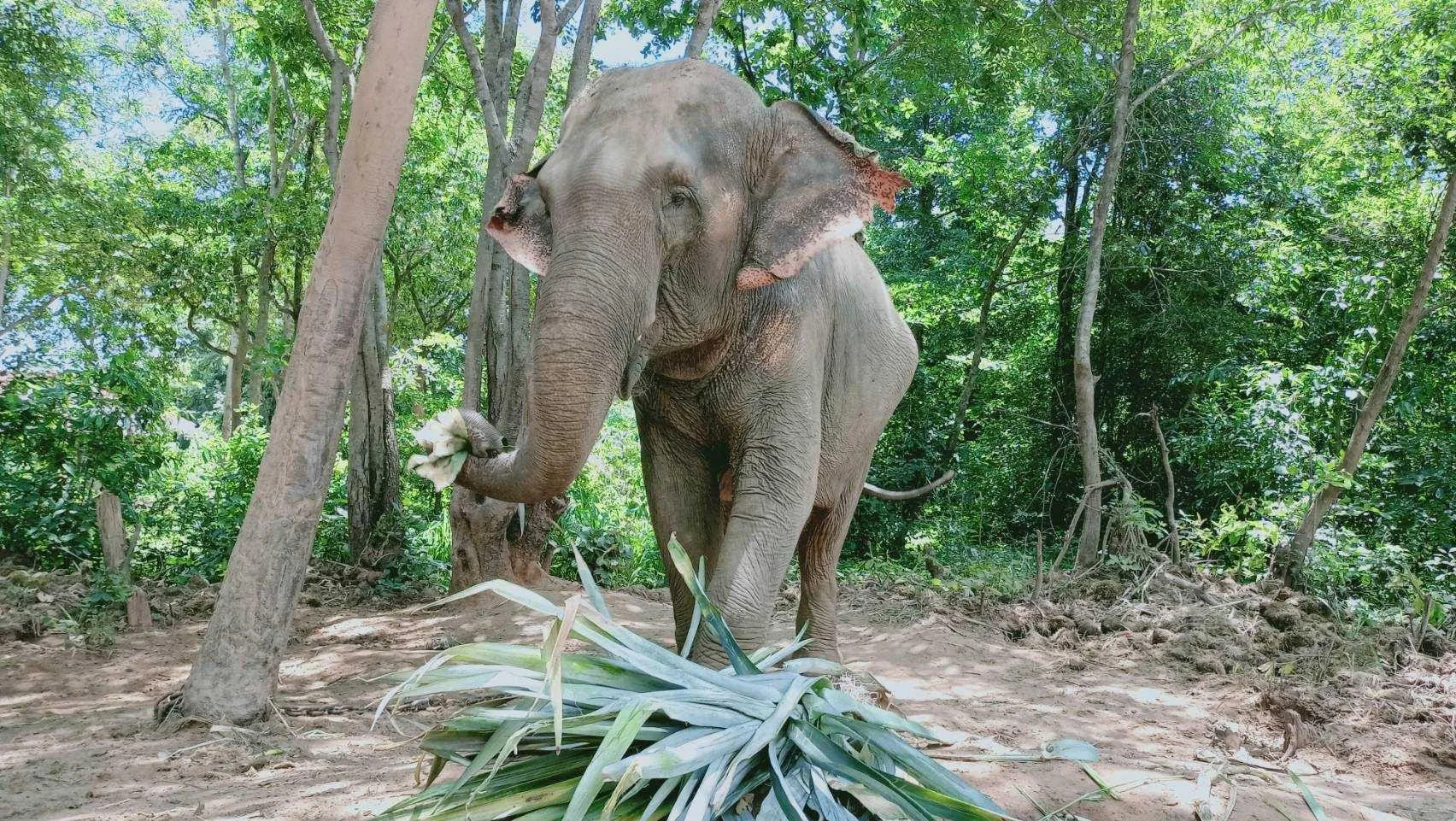
In March 2020, Thailand shut its doors to tourism in response to the COVID-19 pandemic, forcing more than 3,500 elephants "employed" in the industry into 24-hour leg and neck chains and certain starvation. By June 2021, almost 15 months later, the surviving elephants were near total starvation, still in leg chains and each day closer to death.

In 2020, 245 tourist elephant "camps" operated in Thailand, offering rides and demeaning circus-style performances with captive elephants. While animal welfare groups have waged a massive, ongoing international campaign to phase out these exploitative activities, the abrupt, long-term loss of tourist revenue left camp operators and elephant owners as abandoned as the animals themselves.

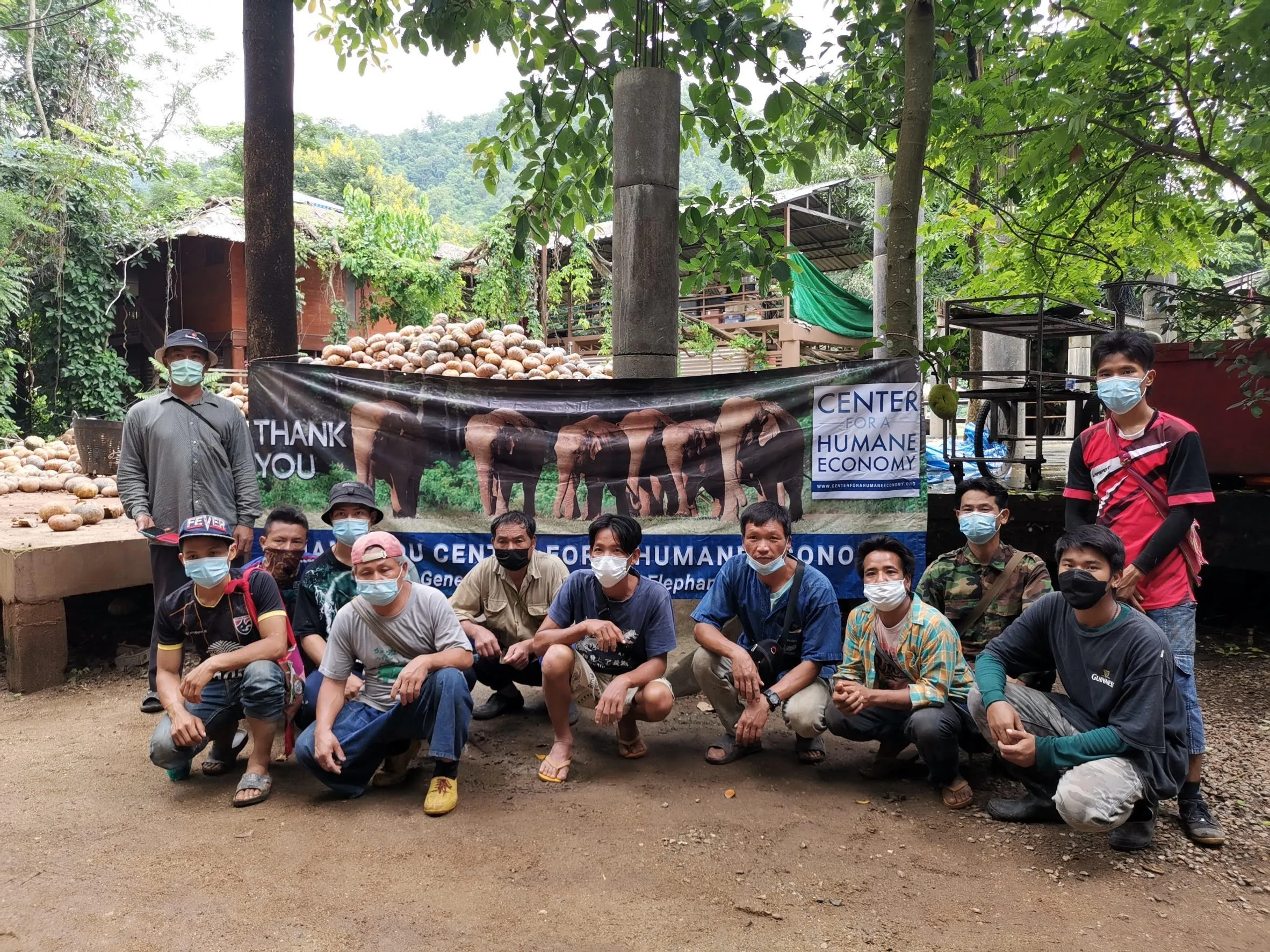
With the financial support of Trunks Up, Save Elephant Foundation courageously stepped up with an emergency campaign to buy and distribute food, supporting 223 camps, 1,826 elephants and 1,600 elephant keepers. With no assistance from the Thai government, its resources were depleted within months.

In 2021, The Last Animals Foundation enthusiastically supported Save Elephant Foundation and Trunks Up with a grant to help Thailand's starving elephants during the pandemic.
Camp Dungu

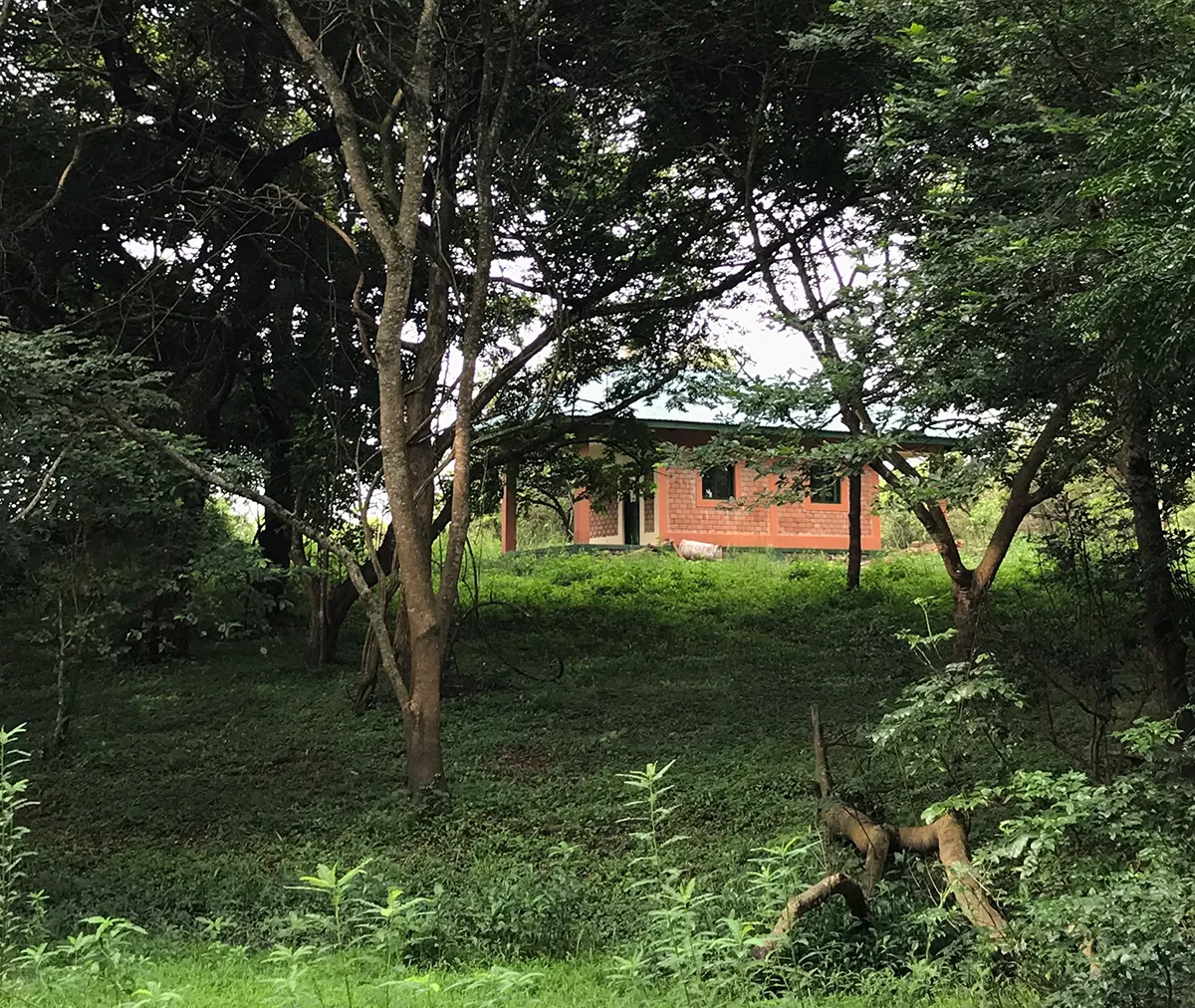
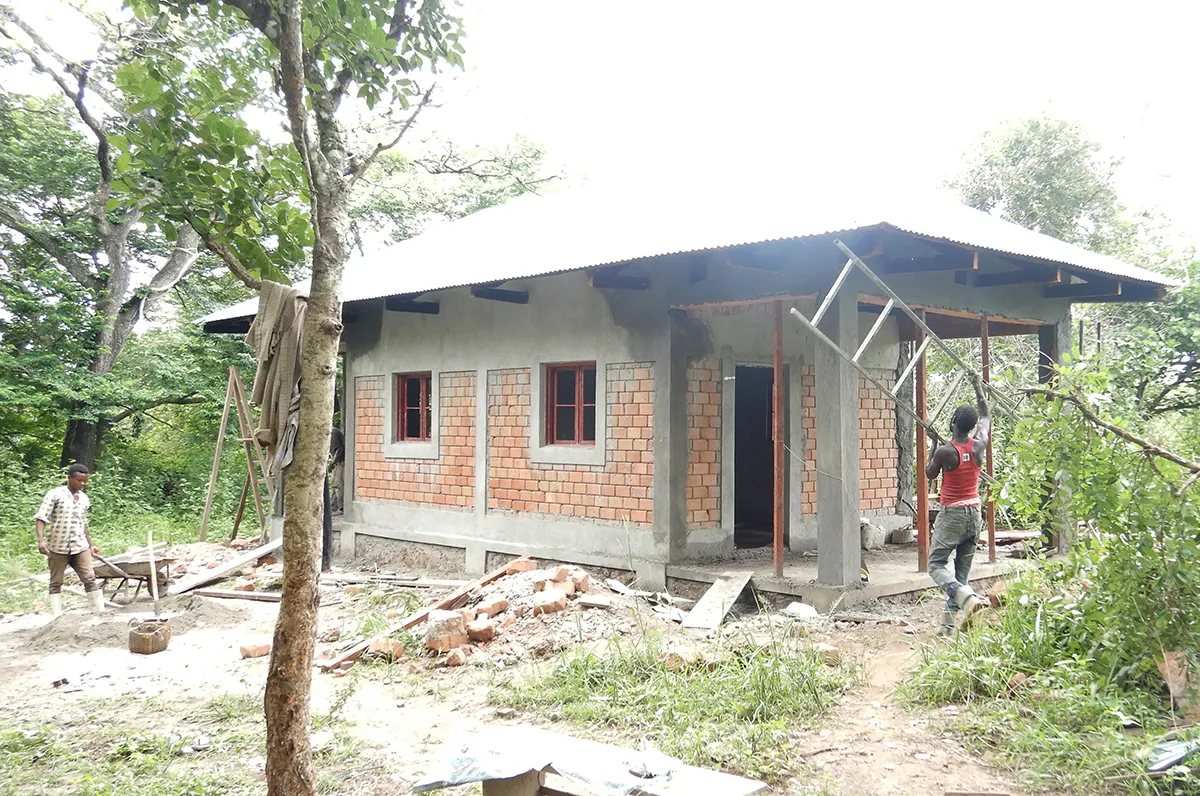
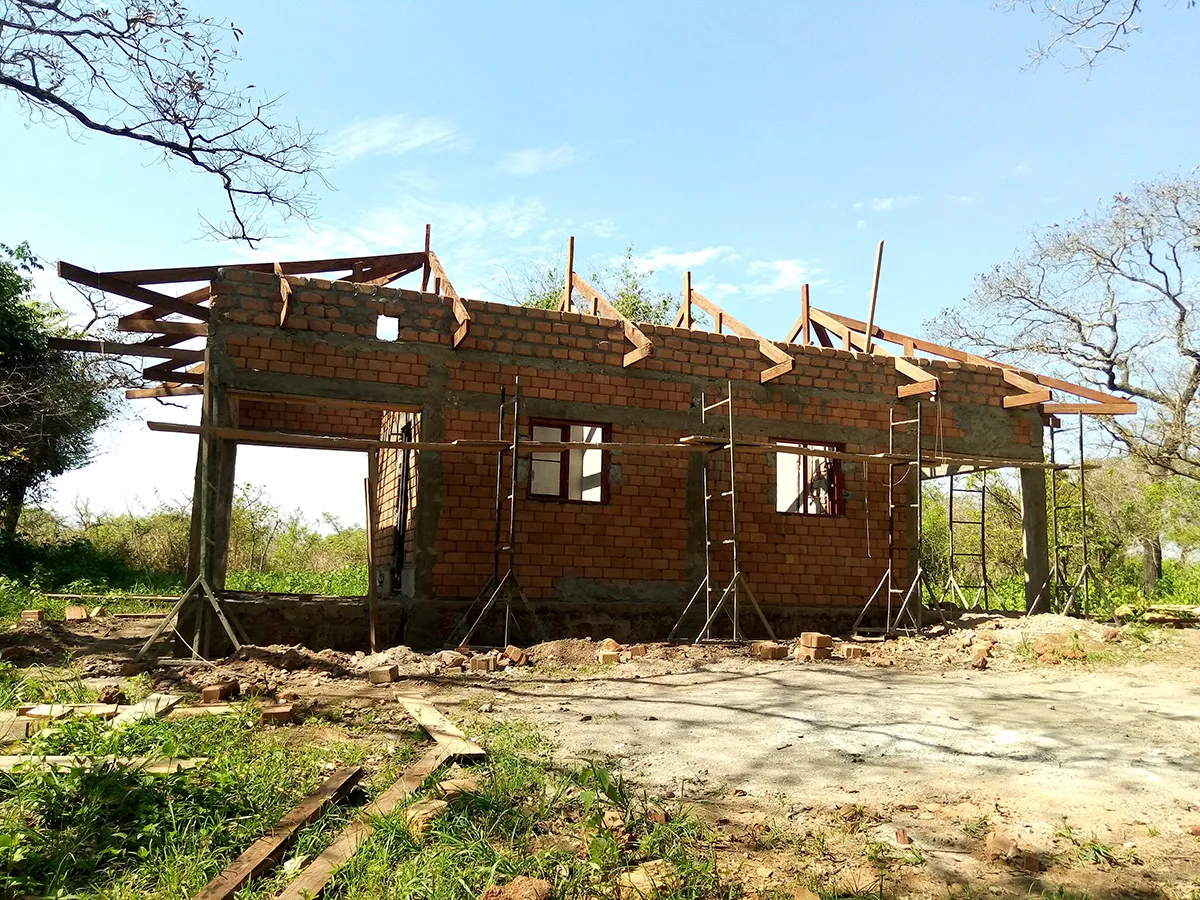
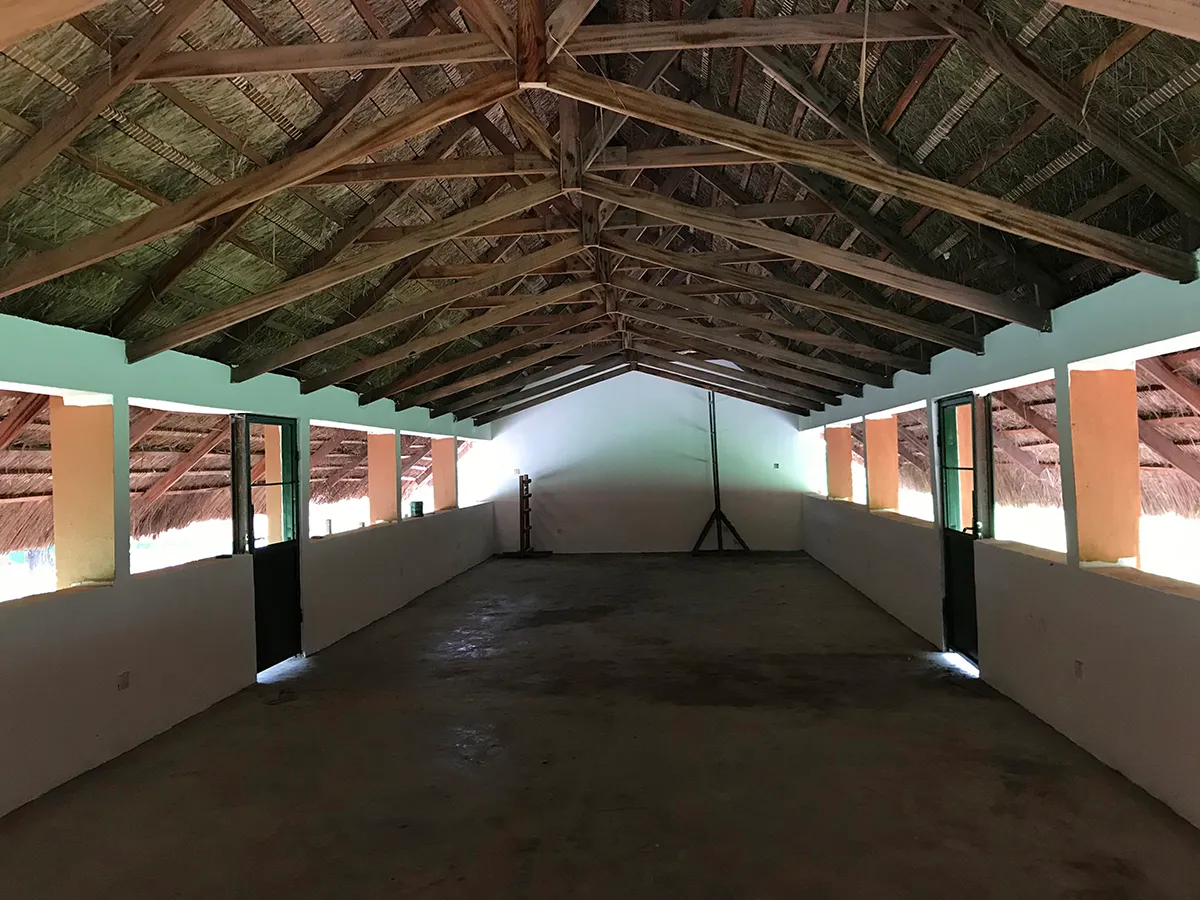
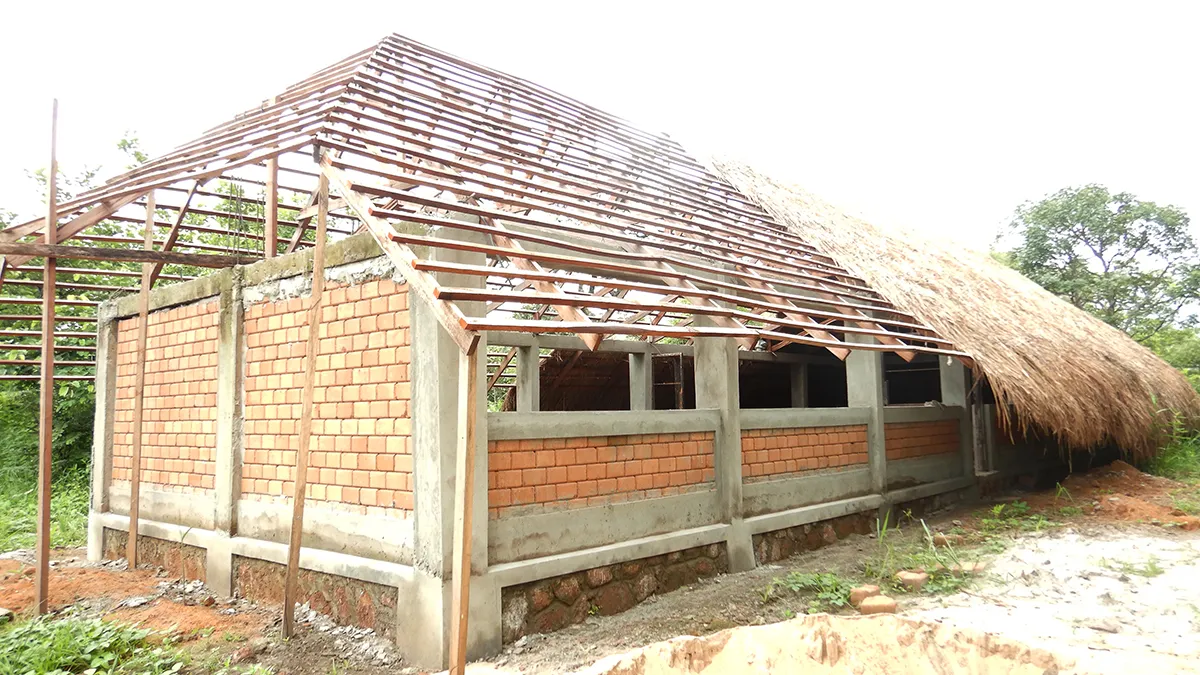
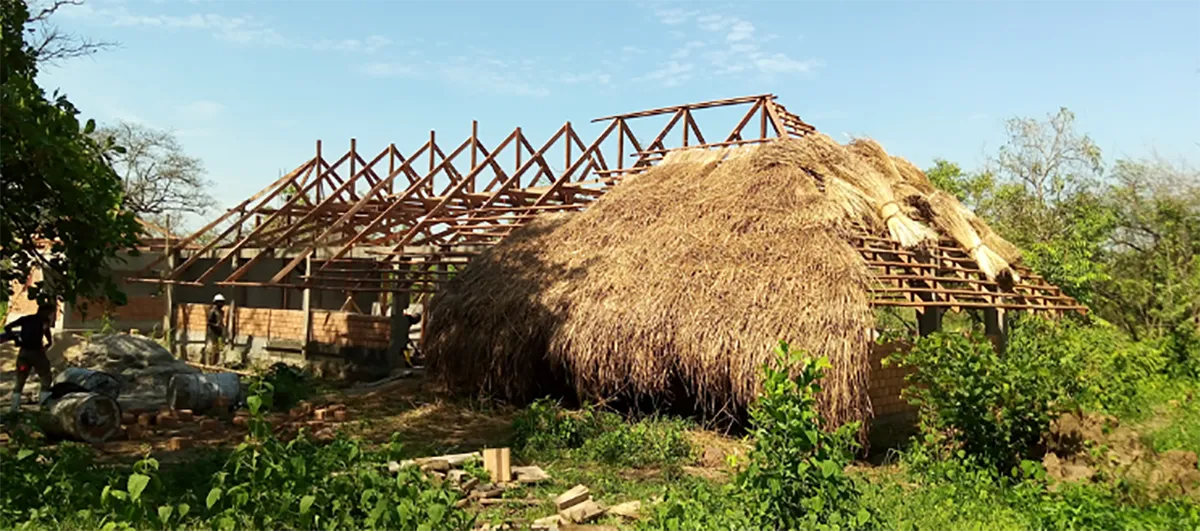
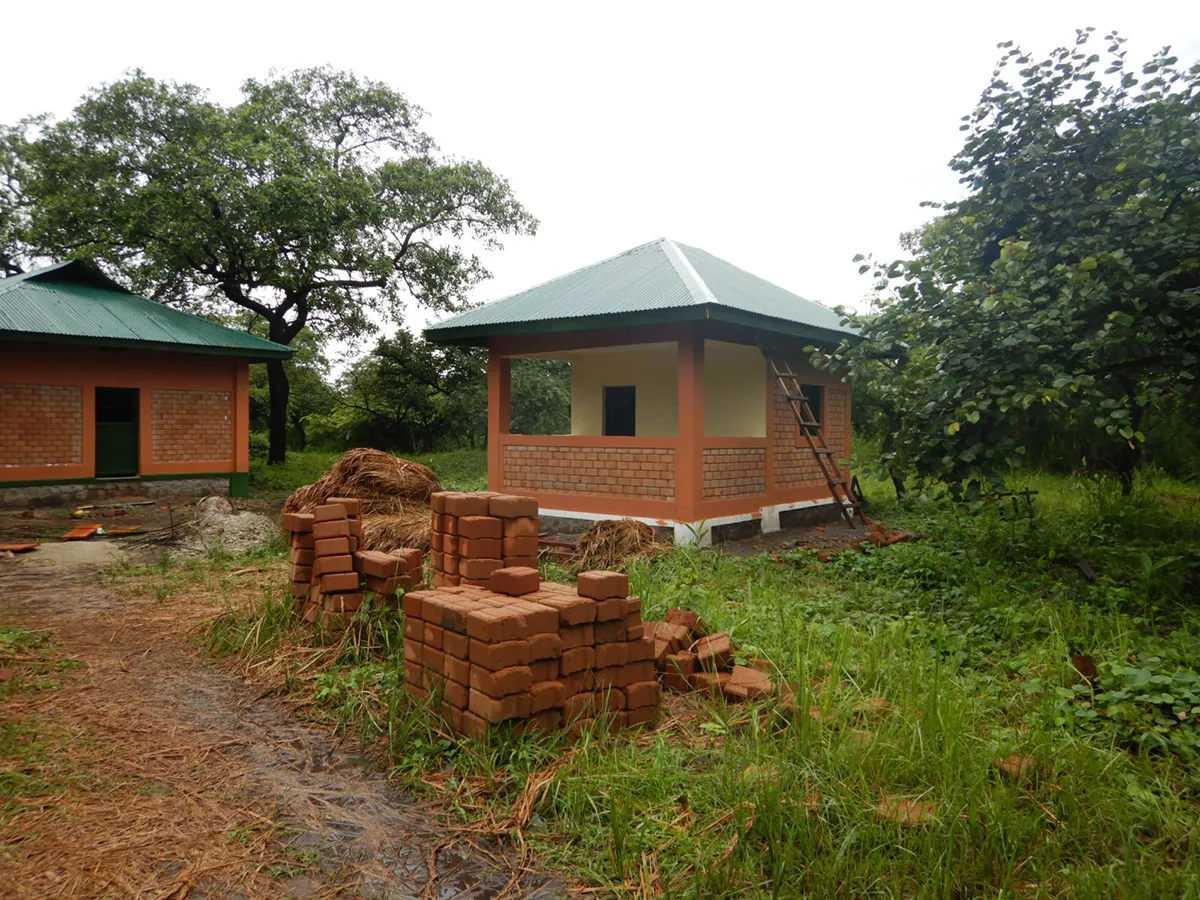
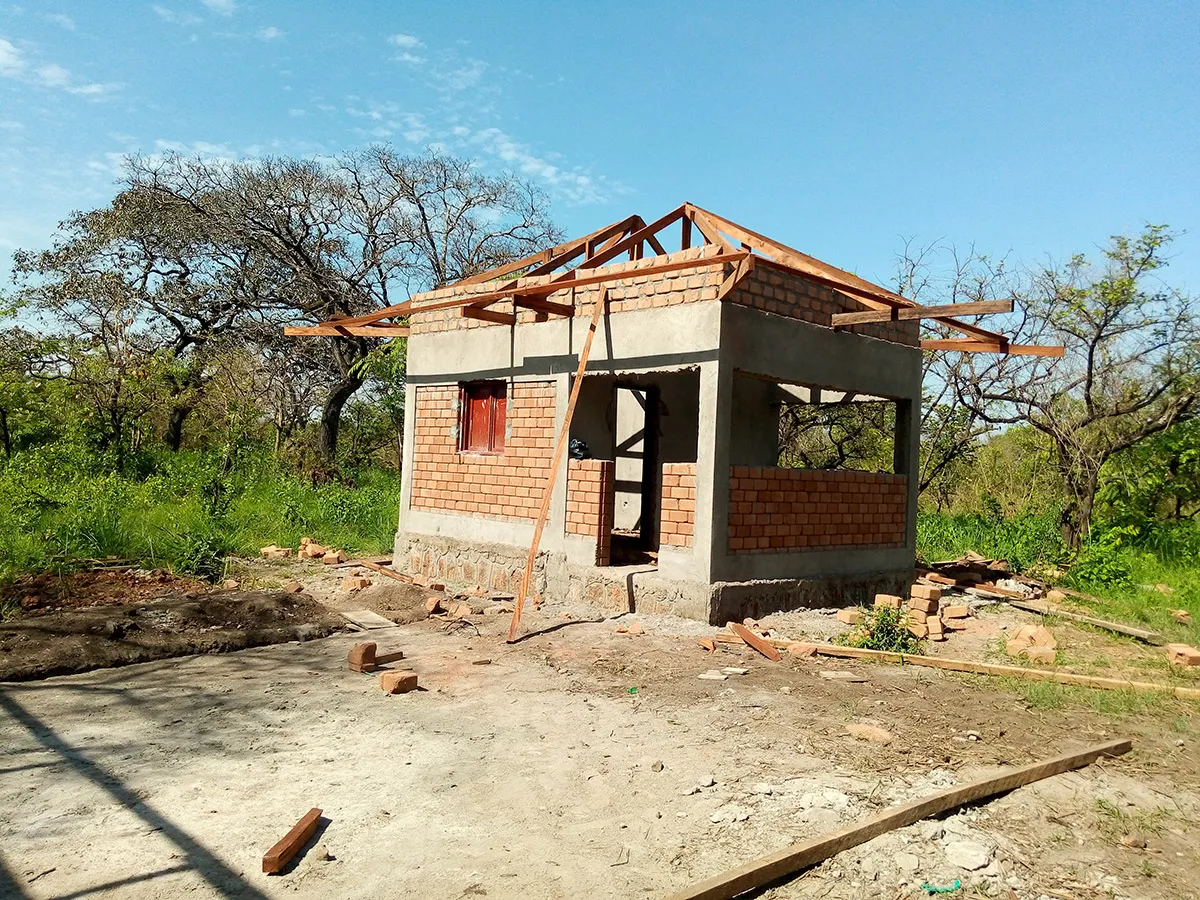
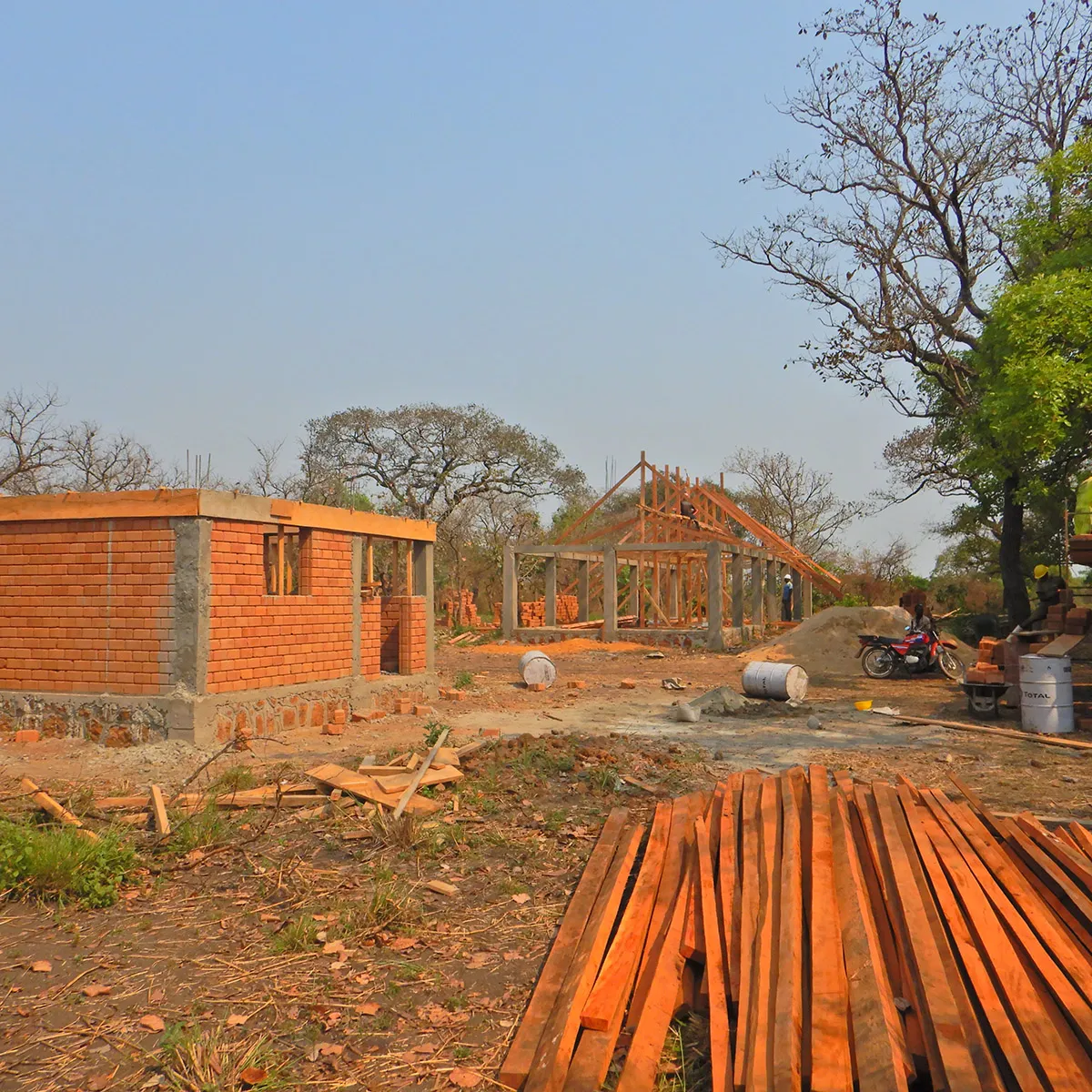
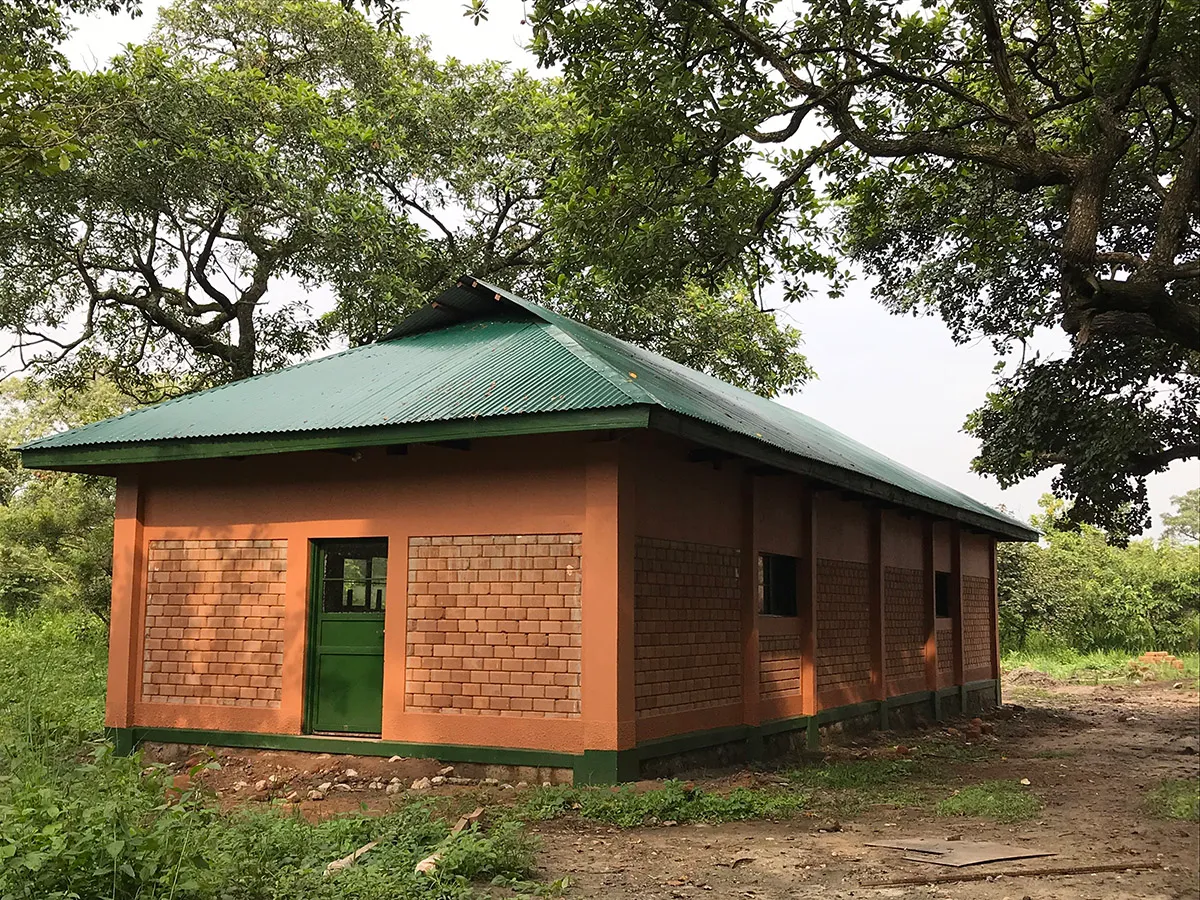
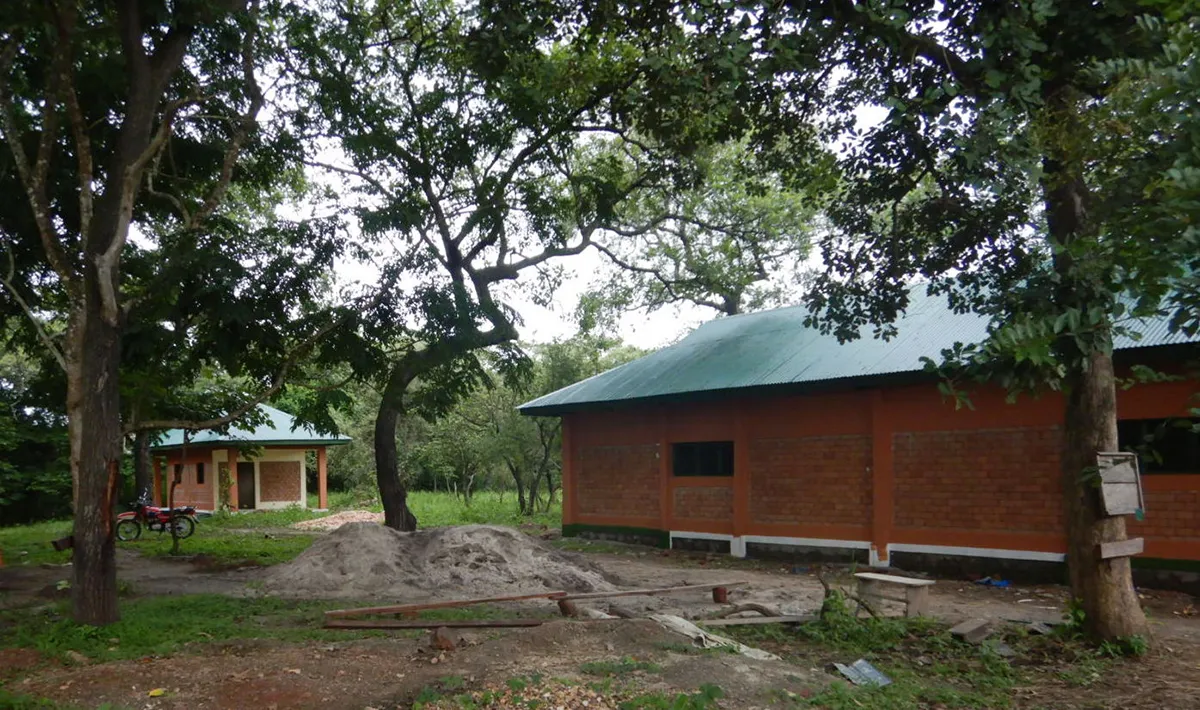
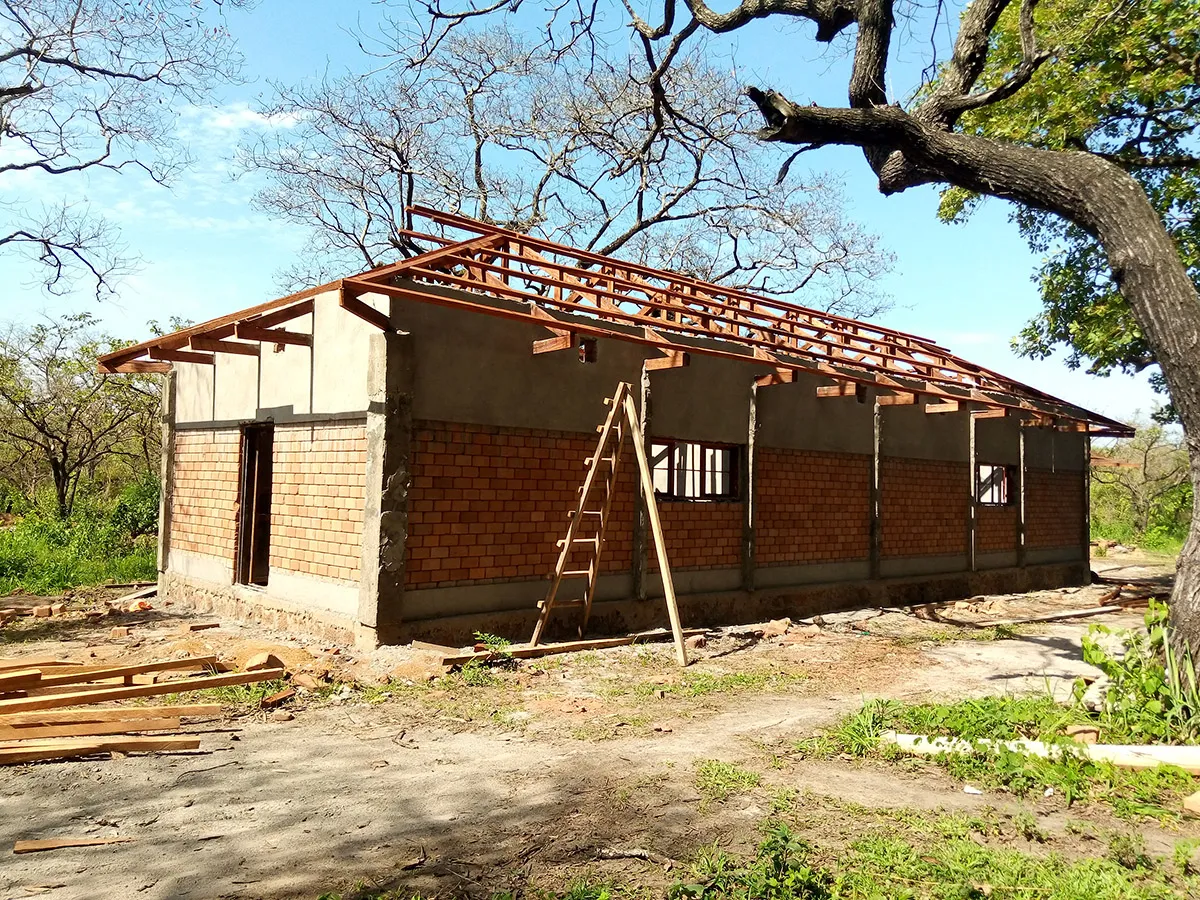
During the making of the documentary The Last Animals, 14 children lost their fathers when poachers ambushed rangers and the DRC soldiers supporting them in Garamba National Park. In that time of grief, we decided to establish The Last Animals Foundation and committed to giving back to Garamba's rangers and their families in honor of their noble sacrifice and service. The foundation helped build a new education and community center for the local community. "Camp Dungu" is named after the river that runs through Garamba National Park. Every dollar raised by The Last Animals Foundation was matched by the European Union.


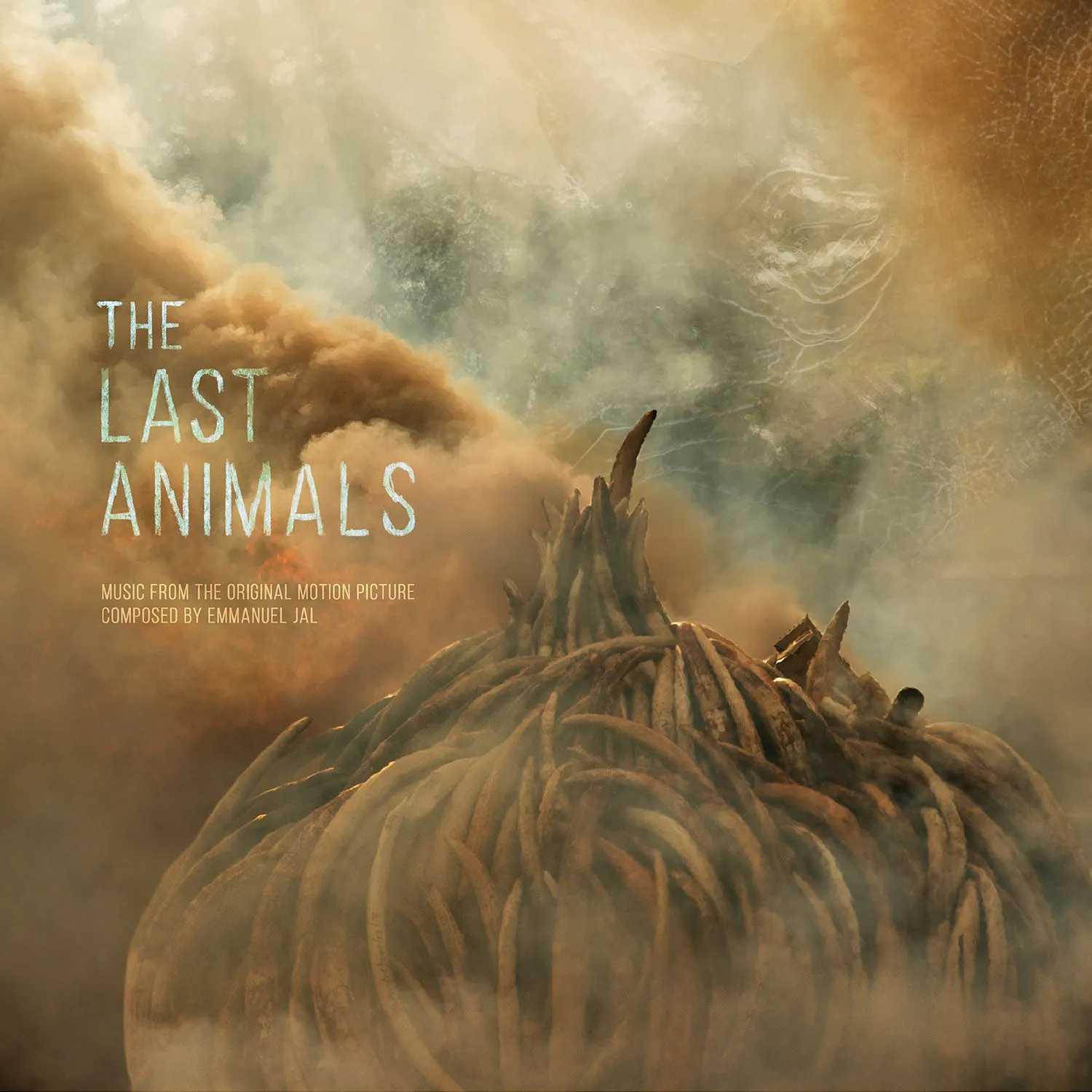
Cover of the soundtrack for The Last Animals, composed by Emmanuel Jal

Support by Listening

Emmanuel Jal

The Last Animals song, composed by Emmanuel Jal, is a tribute to the last Northern White rhinos on the planet. "Hold My Soul" is a chant about shame and peace. Proceeds from the songs will be used to help the children and families of fallen rangers. Emmanuel Jal is a Sudanese-Canadian actor, hip-hop musician and peace activist who was forced to become a child soldier in the Sudan People's Liberation Army (SPLA) before he was even a teenager.

Our Team

Rebecca Hardin

Rebecca Hardin earned an AB in Brown University's Modern Culture and Media program, then an MPhil and a PhD in anthropology at Yale. She has taught at the Sorbonne, the National Museum of Natural History in Paris and McGill University in Montreal, where she retains collaborations with the Center for Indigenous Conservation and Development Alternatives (CICADA). She teaches at the School for Environment and Sustainability at the University of Michigan, where she directs collaborations on www.learngala.com, an open-access platform that combines multimodal digital media, narrative, data visualization and translation in learning modules about sustainability.

Her early fieldwork in the Central African Republic grew out of three years in the Peace Corps, first as a beekeeper in areas bordering northern Cameroon and Chad. She was then an ecotourism design and management specialist who supported—and was supported by—anti-poaching guards, interpretive guides and their families at the Dzanga-Sangha Dense Forest Reserve, which borders Cameroon and Congo-Brazzaville. Her current collaborations in Africa include sites in South Africa, Kenya and Gabon, focusing on educational innovation in classrooms, in the field and in organizations as it relates to monitoring and protecting water quality and wildlife populations in biodiverse ecosystems.

Kate Brooks

Kate Brooks is an international photojournalist and filmmaker who chronicled conflict and human rights issues for many years before turning her lens to conservation. Her photographs have been published extensively in TIME, Newsweek, Smithsonian and The New Yorker, and exhibited in galleries and museums around the world. In 2010, Brooks discovered her love of filmmaking while working as a cinematographer on the documentary The Boxing Girls of Kabul. Her introspective collection of essays and photographs, In the Light of Darkness: A Photographer's Journey After 9/11, was selected as one of the best photography books of 2011. In 2012–13, she was a Knight-Wallace Fellow at the University of Michigan, where she researched the global wildlife trafficking crisis before directing her first film, The Last Animals. The documentary premiered at the Tribeca Film Festival on Earth Day 2017 and received a Disruptor Award. The film was widely recognized for its ability to disrupt the status quo on policy and change hearts and minds, and it later won a Panda Award at Wildscreen, where it was in contention with Blue Planet II. Brooks' drive and passion for conservation come from the fundamental belief that time is running out and that we are at a critical moment in natural history. In her words, "Despite all the human destruction on the planet, there is still a natural order, and it is necessary for us to do everything we can to protect it while we can." The Last Animals was distributed through National Geographic, Hulu, Netflix and Discovery Plus. Most recently, she executive produced Tigre Gente, a documentary about jaguar trafficking.

Farwiza Farhan

Farwiza Farhan, known as "Wiza," is a passionate forest conservationist who works with local communities to protect, conserve and restore the Leuser Ecosystem in Sumatra, Indonesia. She co-founded and chairs the Forest, Nature and Environment Aceh Foundation (Yayasan HAkA), a grassroots organization pushing for better protection of the Leuser Ecosystem through policy and advocacy, community empowerment and habitat protection. Her PhD research at the Centre for International Development Issues Nijmegen (CIDIN) in the Netherlands focuses on the political economy of natural resource management in Aceh, Indonesia. A sought-after speaker at venues from the UN General Assembly in New York to The Elders in South Africa and Women Deliver in Vancouver, she gives keynote presentations that reflect her experience, commitment and passion while connecting the challenges facing Sumatra and Aceh to wider global issues.

"Farwiza Farhan is spearheading efforts to protect the Leuser Ecosystem. Her aim is to shift the balance of power to the local level and support people in defending this incredible ecosystem." —Sir David Attenborough

Davida Heller

Davida Heller was promoted to Director and Head of Sustainability Strategy at Citi in 2022. Before that, she was a Senior Vice President on Citi's Sustainability & ESG team. Her work centers on developing and executing Citi's environmental and social initiatives, including its Sustainable Progress Strategy, and she leads Citi's environmental finance goal initiatives. Davida works closely with internal and external stakeholders to build company-wide awareness of sustainability, ESG and climate-related trends, opportunities and risks.

Before joining Citi, Davida was Head of Member Engagement at The Climate Group, a nonprofit dedicated to driving action toward a net-zero-emissions global economy, where she worked with Fortune 500 companies on initiatives to reduce greenhouse gas emissions. At the Earth Institute at Columbia University, she managed corporate relations and oversaw professional development for the institute's sustainability education programs. Before dedicating her professional life to sustainability, Davida worked in consulting and feature film development and production in Hollywood.

Kenneth Close

Ken Close is the CEO of The Quincy Group and a specialist in U.S.-Saudi business and foreign relations. He brings to the firm more than three decades of experience in investment banking, private equity, international business development and government relations in the MENA region.

Ken comes from a long line of educators, missionaries, diplomats and businessmen who have served in the Arab Middle East since the mid-19th century. He is the fourth generation of his family to be born in Lebanon and the fifth to have lived, studied and worked in the Middle East. He enjoys broad and deep relationships in the region, thanks in part to his family's unique history there.

Ken graduated magna cum laude from Duke University with a degree in Middle Eastern Studies and Public Policy.

Jason Mier

Jason Mier has proudly served as the Executive Director of Animals Lebanon since the organization's founding in 2008. It is now the most recognized animal welfare organization in Lebanon and the Middle East. Animals Lebanon drafted the National Animal Protection and Welfare Law, which came into full force in 2017, and successfully campaigned for Lebanon to become a party to the Convention on International Trade in Endangered Species.

During his tenure, Jason led an eight-year court battle in Lebanon that set a legal precedent: animals have both physical and mental welfare, as well as intrinsic rights and interests, that come before the claims of an owner. The charity has received awards for the breadth and impact of its work: joining international conventions, fighting the trafficking of endangered species, closing zoos and circuses, rescuing thousands of animals and responding to tens of thousands of requests for help every year.

Before joining Animals Lebanon, Jason worked for ten years across Africa, the Middle East and Europe, focusing on the rescue and care of chimpanzees and on investigating the global trafficking of great apes.

Make a Donation

Make a donation with PayPal

Donate with PayPal

Prefer to support a specific appeal? Our active GoFundMe campaigns are listed under Campaigns.